Crack Repair That Stays Repaired
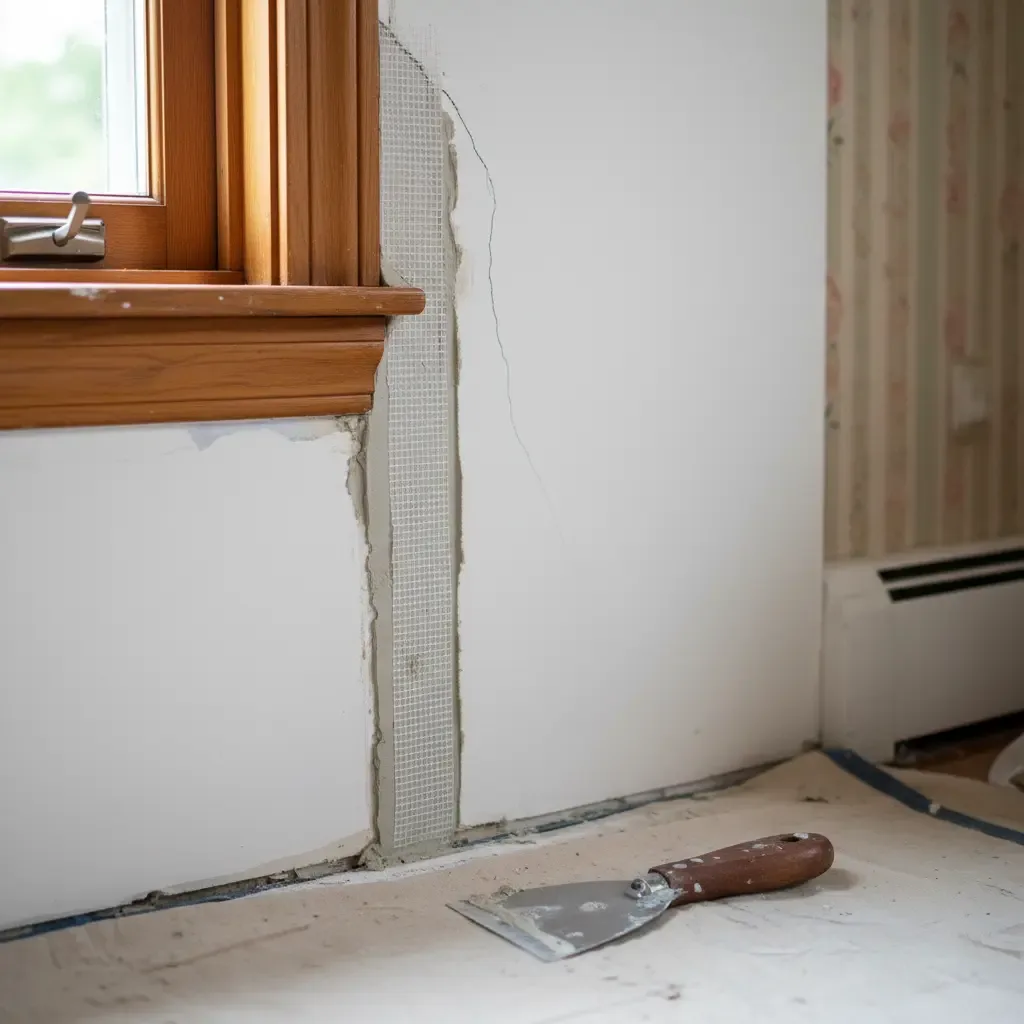
The difference between a crack that comes back next year and one that stays closed is the repair method - not the paint. Painting over a drywall crack is a one-season fix. Re-taping with mesh, setting compound, and three coats of finish stops the cycle.
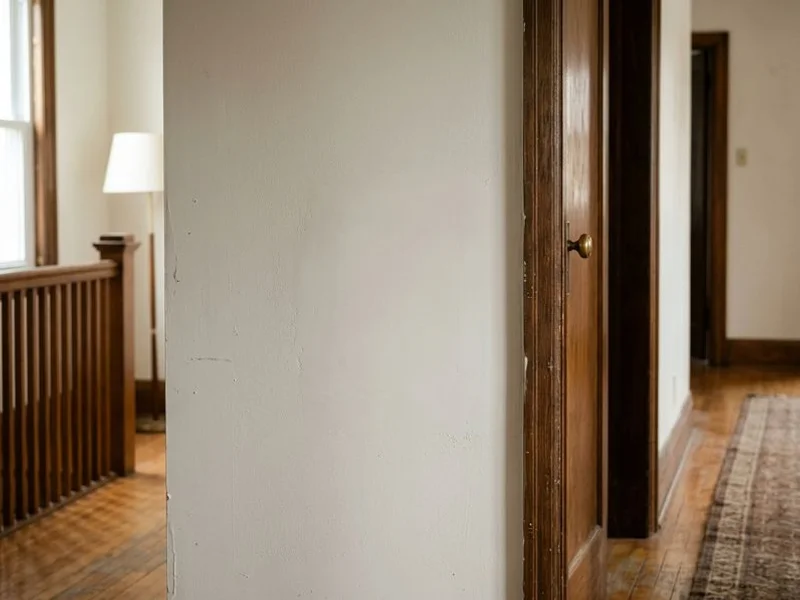
Most drywall cracks in Toronto homes are cosmetic - caused by seasonal wood movement, original tape joint failure, or stress at door and window corners. Structural cracks are rare and we identify them clearly when we see them.
Crack Repair Pricing in Toronto
- Single hairline crack: $150 to $300
- Multiple cracks (one room): $300 to $600
- Settling cracks with flexible primer: $400 to $700
- Corner bead re-tape: $200 to $400 per corner
What Is Drywall Crack Repair?
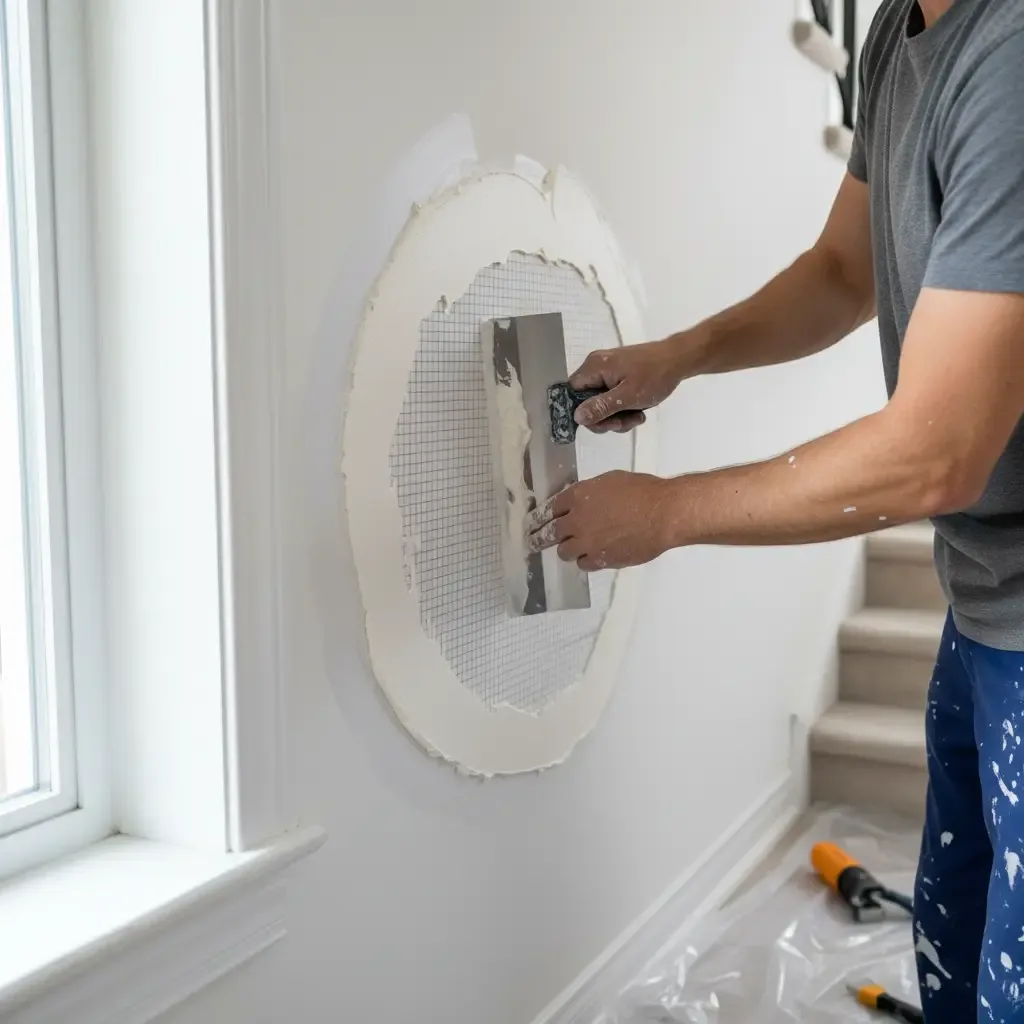
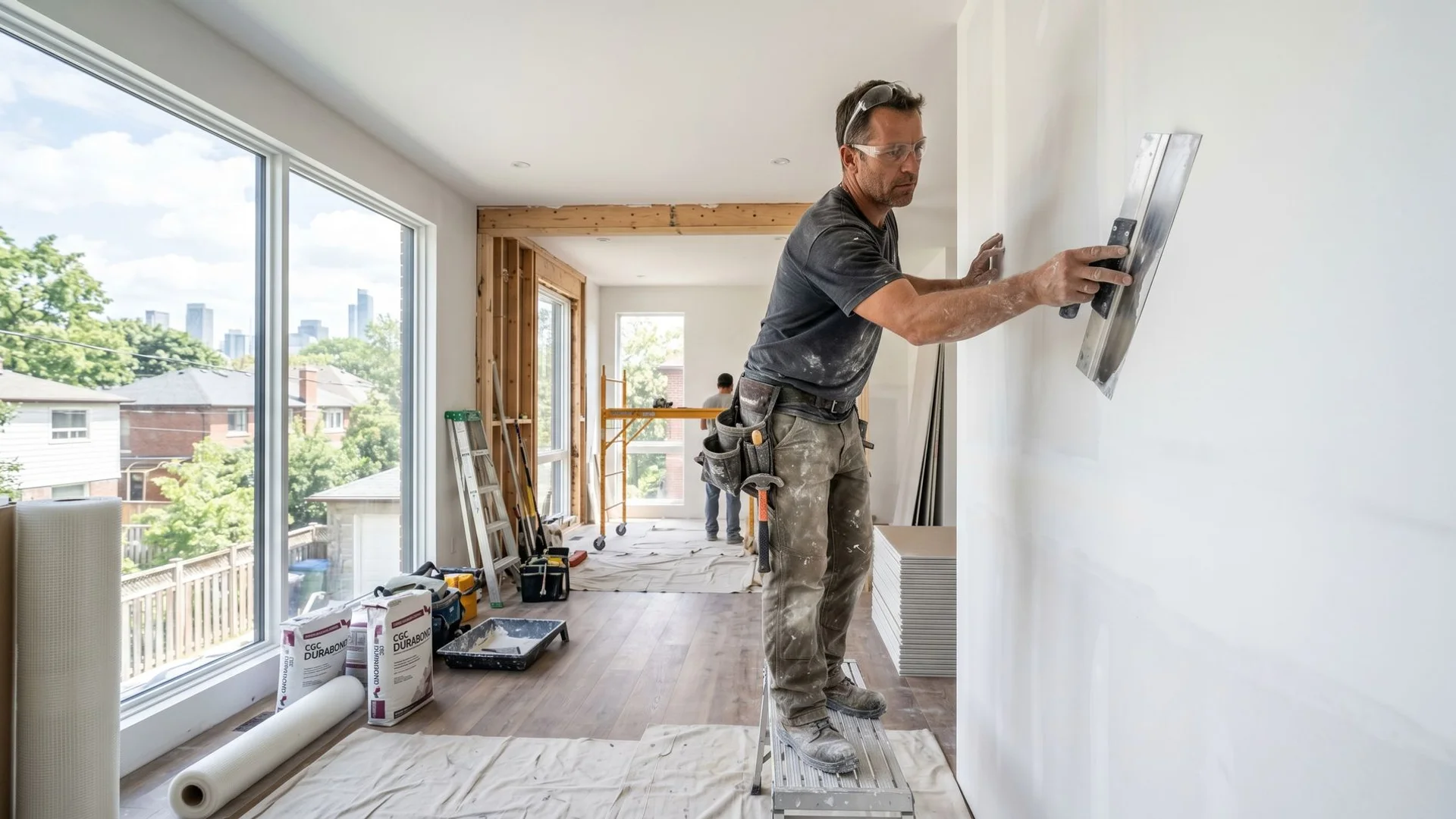
Drywall crack repair - also called hairline crack repair, settling crack repair, or tape joint repair - is the process of reopening, re-taping, and refinishing cracks in gypsum drywall so that the surface is flat, stable, and paint-ready. The correct repair uses Fibatape mesh tape embedded in USG Durabond setting compound as a structural bridge across the crack, followed by two finish coats of all-purpose joint compound feathered smooth.
What Does Drywall Crack Repair Include?
- Crack assessment and classification (cosmetic vs. structural indication)
- Widening hairline cracks with a utility knife for mechanical bonding
- Scraping out loose compound and paint from old tape joint failures
- Fibatape self-adhesive mesh tape embedded in USG Durabond 45 setting compound
- Two all-purpose finish coats feathered 6 to 10 inches past the tape on each side
- Sanding between coats and raking light inspection before priming
- Flexible elastomeric sealer primer on movement-prone cracks in older homes
How Much Does Drywall Crack Repair Cost in Toronto?
Single crack repairs run $150 to $300 in Toronto. Multiple cracks in one room run $300 to $600. Recurring settling cracks in pre-1960s homes with flexible primer run $400 to $700. Free on-site estimates with same-day quoting available.
Who Needs Drywall Crack Repair?
Homeowners in pre-1960s Toronto homes (Leaside, Etobicoke bungalows, Scarborough post-war semis) with cracks that return every winter. Anyone who has been painting over the same crack for years and wants it fixed properly. Pre-sale sellers who want the walls to present cleanly. Condo owners with tape joint failure along ceiling seams.
Types of Cracks We Repair
Hairline tape seam cracks. The most common drywall crack in Toronto homes. The tape bond fails at a seam and the crack follows the joint line. We open the seam, remove the failed tape section, embed new fibreglass mesh tape, and skim with setting compound in two coats.
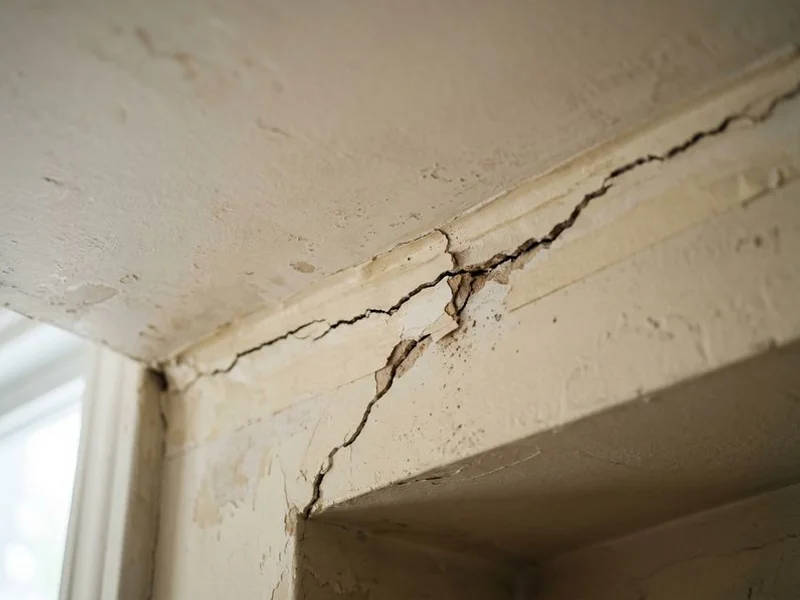
Stress cracks at corners and openings. Diagonal cracks running from the corners of door and window openings indicate framing movement or header deflection. We widen, tape, and finish the crack. If the framing movement is ongoing, we advise on the structural cause before closing.
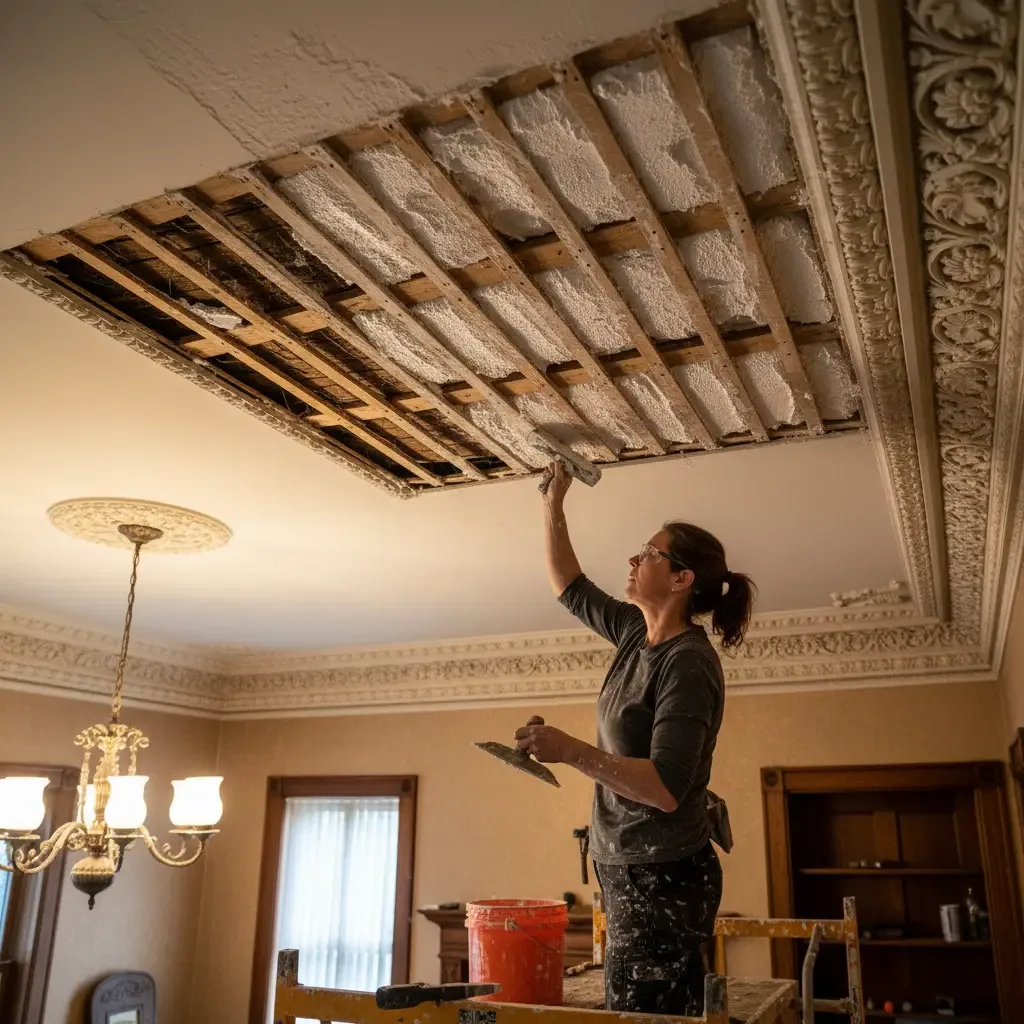
Settlement cracks across ceiling planes. Cracks that run perpendicular to joists and follow no seam line indicate joist deflection or differential settlement. These require mesh tape and setting compound, not all-purpose mud, to hold across seasonal movement.
Corner bead cracks. Metal or vinyl bead at inside and outside corners can crack when the corner is impacted or when the framing behind it twists seasonally. We remove the failed bead section, install new, and skim to match.
Full-panel face cracks. Impact damage, moisture cycling, or freeze-thaw in poorly insulated walls can crack the gypsum face paper across the panel face rather than along a seam. These require a California patch or full panel replacement, not surface skim.
Why Toronto Homes Crack
Toronto sits on a clay-heavy soil base that expands when wet and contracts when dry. The Lake Ontario shoreline effect means freeze-thaw cycles run longer and more frequently in Toronto than in cities further inland. Older Toronto homes on shallow footings experience more seasonal movement than newer builds on deeper concrete foundations.
This movement expresses itself in drywall as crack patterns. Diagonal corner cracks at windows and doors cycle open and closed every winter and summer until the underlying framing is stabilised. Settlement cracks along ceiling seams in pre-1960s homes may require several passes over consecutive seasons before they stop moving.
We tell clients which cracks fall into each category during the estimate: stable cracks that can be repaired permanently, cycling cracks that need flexible sealant, and structural cracks where the repair won’t hold until the framing issue is addressed.
When Crack Repair Won’t Hold
Some cracks aren’t a drywall problem. Diagonal cracks running from the corners of door openings that reappear within one season after repair are usually indicating ongoing framing movement - a header that’s deflecting, a post that’s settling, or foundation movement that hasn’t stabilised. Repairing the drywall crack without addressing the structural cause is a temporary fix.
We’ll tell you during the estimate if a crack is likely to recur. For cracks that follow structural movement, we recommend getting a structural assessment before we repair the drywall surface - otherwise the repair fails again and the client pays twice. For cracks that are stable but cosmetically unacceptable, we repair them permanently with mesh tape and setting compound. The difference between the two categories is visible in the crack pattern and confirmed by checking whether the crack has displaced vertically as well as opened.
Where We Work
Toronto drywall crack repair throughout the city, with frequent calls from North York and Etobicoke homes built in the 1940s through 1960s. We serve all GTA communities.