Plaster Repair for Toronto’s Older Homes
Toronto has more pre-1940 housing stock than almost any other Canadian city. The Annex Victorians, Cabbagetown row houses, Rosedale estates, and Leaside brick semis were all built with lime plaster on wood lath - a durable system when it’s maintained, but one that develops specific failure patterns as it ages.
We specialise in this work. Not every drywall crew does, because plaster behaves differently than modern gypsum board and the repair approach has to match the material.
How Much Does Plaster Repair Cost in Toronto?
- Single crack repair with re-tape and skim coat: $200 to $400
- Medium section repair (1 to 4 sq ft): $400 to $800
- Large section or water-damaged area: $800 to $1,500
- Full ceiling conversion (plaster removal + new drywall): Quoted on-site by sq ft
What Is Plaster Repair?
Plaster repair - also called lath and plaster repair, heritage plaster restoration, or lime plaster crack repair - is the process of stabilising, patching, or replacing sections of original plaster ceilings and walls in older buildings. Toronto plaster repair is specialised work because pre-1940 plaster is mechanically keyed to wood lath strips (not glued or screwed), ages and dries out over decades, and cracks in patterns that differ from modern drywall failure.
What Does Plaster Repair Include?
- Probe and tap assessment to identify key failure zones before any cutting begins
- Mechanical re-keying using construction adhesive and washer screws for stable sections
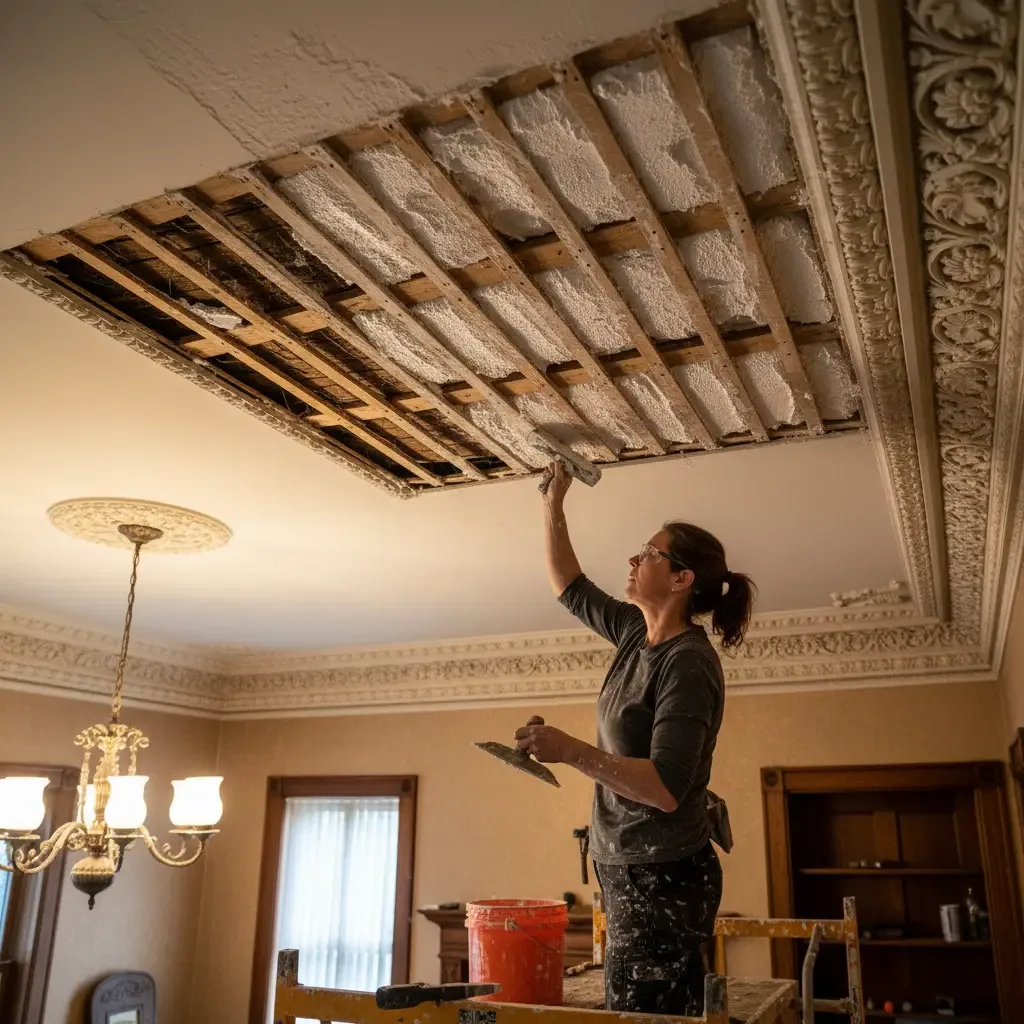
- Removal of fully failed sections down to the lath substrate
- New drywall patch installation over existing lath
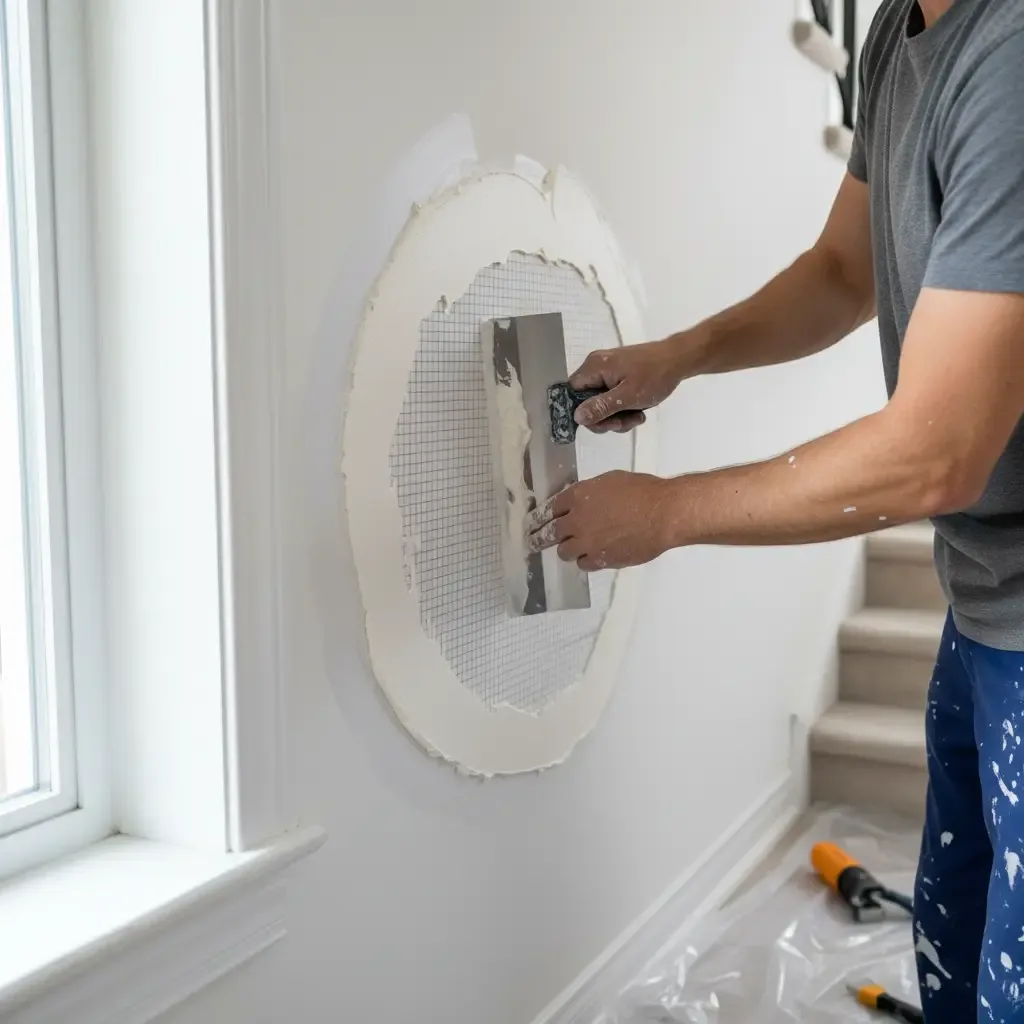
- Fibre-reinforced USG Durabond setting compound applied in two coats
- Skim coat and texture matching to surrounding original plaster surface
- Stain-blocking primer on water-damaged areas before finish coats
How Much Does Plaster Repair Cost in Toronto?
Plaster repair in Toronto runs $200 to $400 for single-crack repairs in pre-1940 homes. Section replacements covering 1 to 4 square feet run $400 to $800. Water-damaged sections or larger repairs run $800 to $1,500. Full ceiling removal and drywall conversion is priced per square foot and quoted on-site. Free on-site assessment available same week.
Who Needs Plaster Repair?
Homeowners in older Toronto neighbourhoods - the Annex, Cabbagetown, Rosedale, Leaside, Riverdale, Forest Hill, and High Park - with pre-1940 plaster ceilings that are cracking, sagging, or showing key failure. Condo boards in converted Victorian buildings. Landlords managing pre-war rental stock. Buyers who’ve just taken possession of an older Toronto home and are assessing what needs immediate attention.
Plaster Failure Patterns We Fix
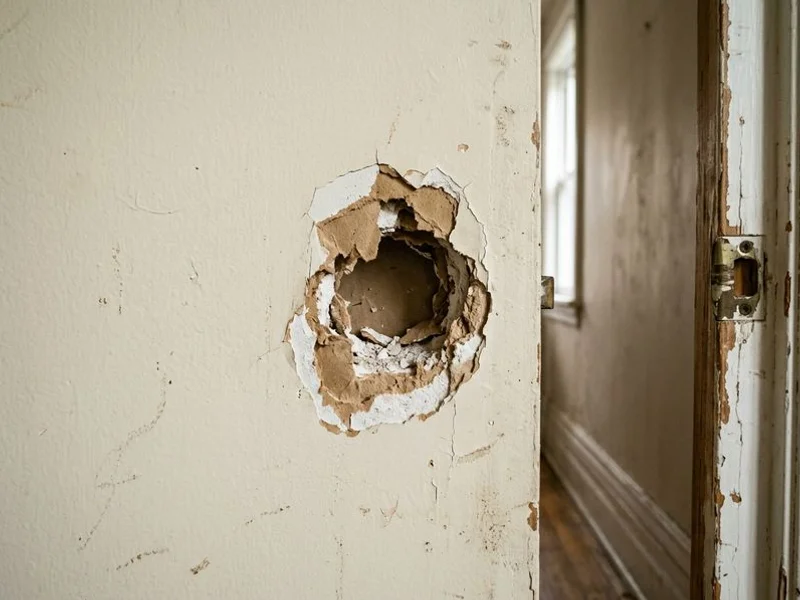
Key failure (plaster separation from lath). The most serious plaster failure. The lime base coat has lost its mechanical grip on the wood lath keys and the ceiling or wall is sagging or hollow-sounding when tapped. Small areas can be re-keyed using construction adhesive and plaster washers. Large areas require removal down to the lath and replacement with new drywall.
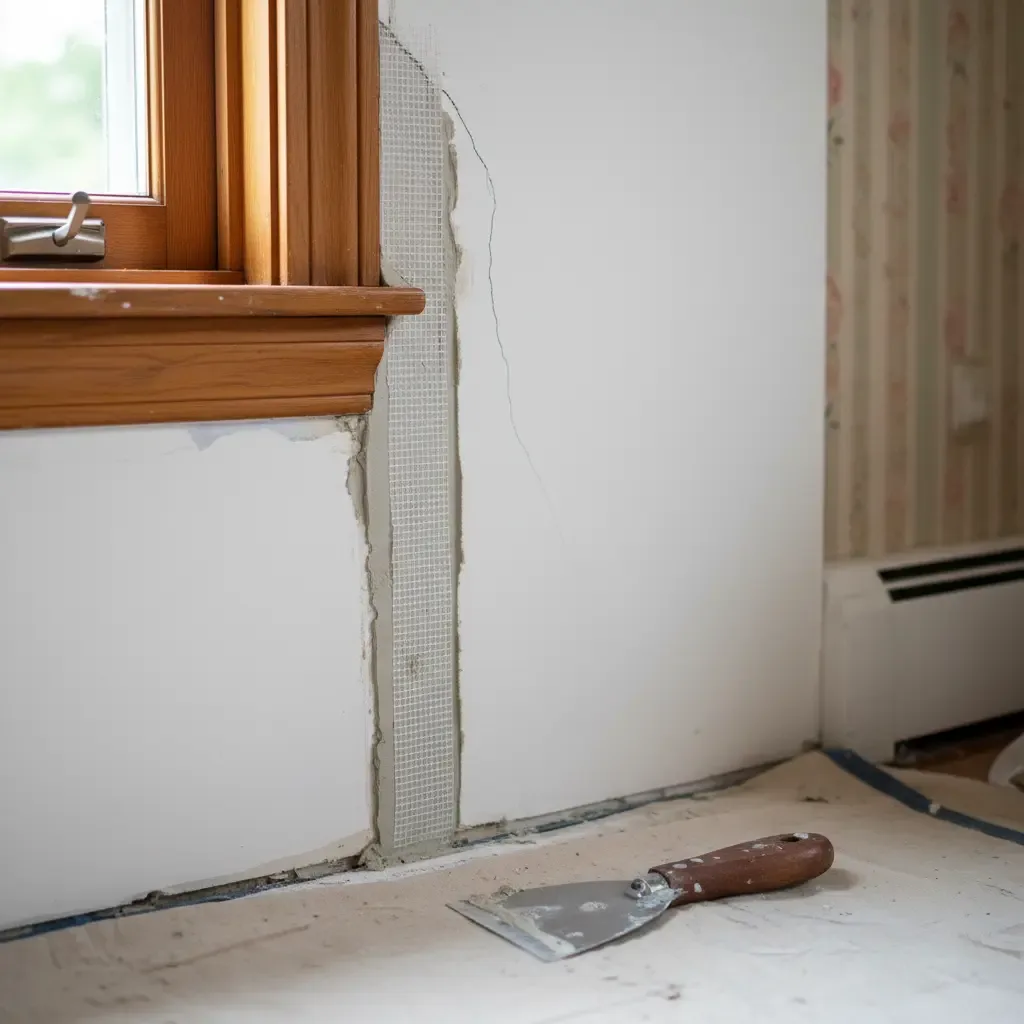
Crack along lath seams. Plaster cracks that follow straight lines at 16-inch centres are following the lath edges. These are structural movement cracks rather than cosmetic surface cracks. We open them with a grinder, embed fibreglass mesh tape, and skim with setting compound.
Random map cracking (alligatoring). A network of cracks across the face coat indicates the finish coat has dried out and shrunk over decades. The base coat is still sound. We apply a bonding primer, skim with a flexible setting compound, and re-finish.
Water-damaged plaster sections. Plaster that has been wet loses its mineral bond and becomes soft or crumbly. We remove the affected section completely, dry the lath, and install new drywall over the existing lath substrate with the correct transition to the surrounding plaster.
Plaster bulge without key failure. Sections of plaster that bulge but haven’t separated can sometimes be stabilised with plaster washers and adhesive. We probe and tap the area to confirm how much is at risk before recommending stabilisation versus removal.
Pre-War Toronto Homes and Plaster
Toronto has more pre-1940 housing stock than almost any other Canadian city - the Annex, Cabbagetown, Rosedale, Leaside, and Forest Hill are full of homes where the original lime plaster is still the wall and ceiling substrate after 80 to 100 years. That plaster was installed by tradespeople using techniques and materials that modern drywall crews don’t learn, and it fails differently than gypsum board.
The typical failure sequence in a Toronto pre-war home starts with the finish coat cracking as the plaster dries out over decades, followed by water infiltration through roof or window issues accelerating the base coat separation, and eventually ceiling sections that are hollow-sounding and at risk of falling. We’ve worked in hundreds of these homes across the Annex, Riverdale, and Rosedale and understand both the repair options and the point at which conversion to drywall is the better investment.
When Plaster Repair Isn’t Worth It
There’s a point in every plaster ceiling where repair is no longer the right investment. If the key failure covers more than half the ceiling area, re-keying what remains and patching the failed sections leaves the rest of the ceiling at risk - the adjacent sections are usually at the same stage of failure and will need repair within a few years. A full removal and drywall replacement at that point costs less over a 5-year horizon than multiple rounds of partial repair.
We’ll tell you during the estimate which side of that line your ceiling is on. If stabilisation is viable, we scope it accurately with a realistic assessment of how much of the adjacent ceiling is also at risk. If replacement is the better option, we explain why - the material and labour cost difference, the performance difference, and the timeline for the next repair cycle if stabilisation is chosen instead.
Where We Work
Toronto plaster repair is our most common plaster call, followed by North York and Etobicoke homes from the same era. We also serve Mississauga, Brampton, and all GTA communities.