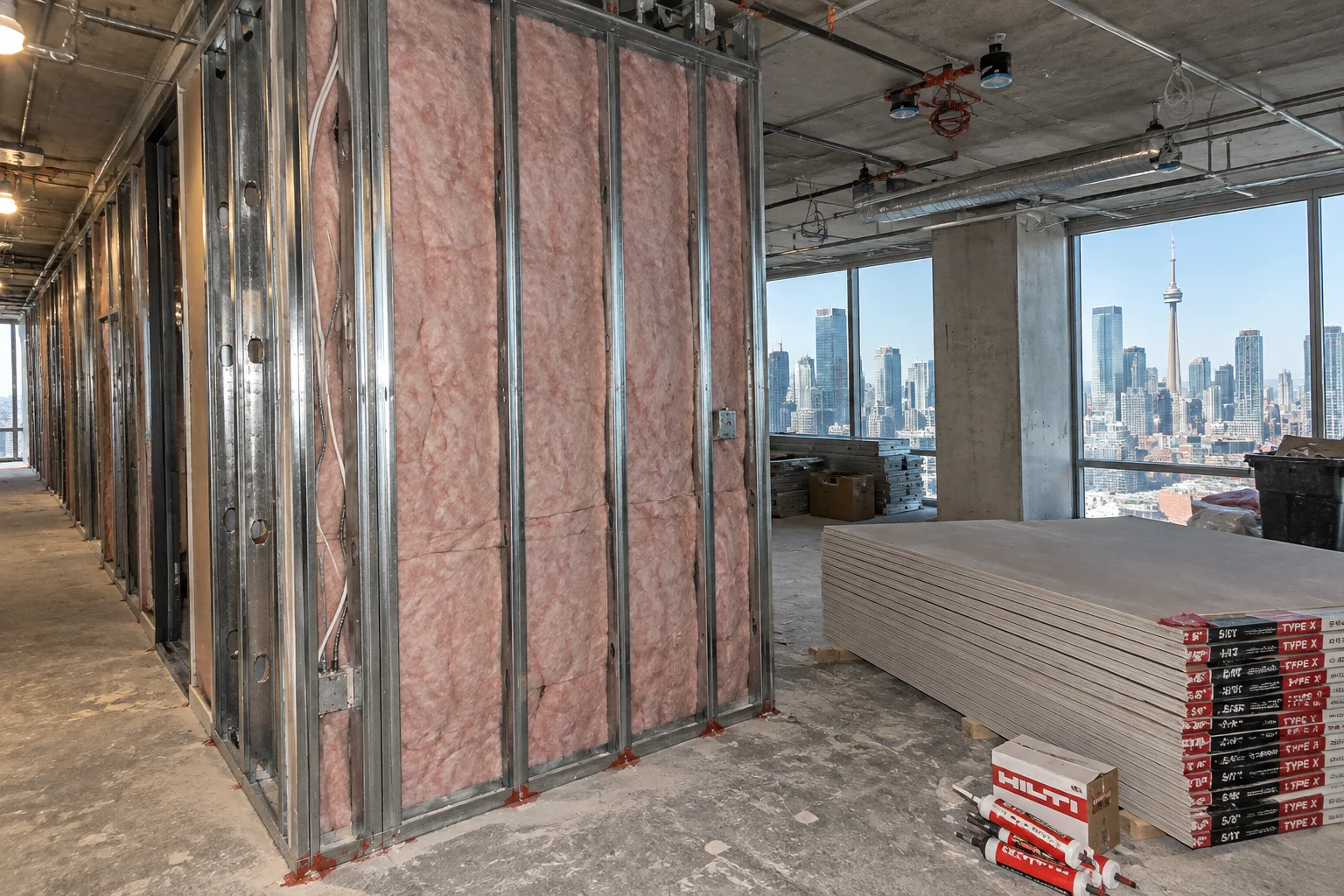
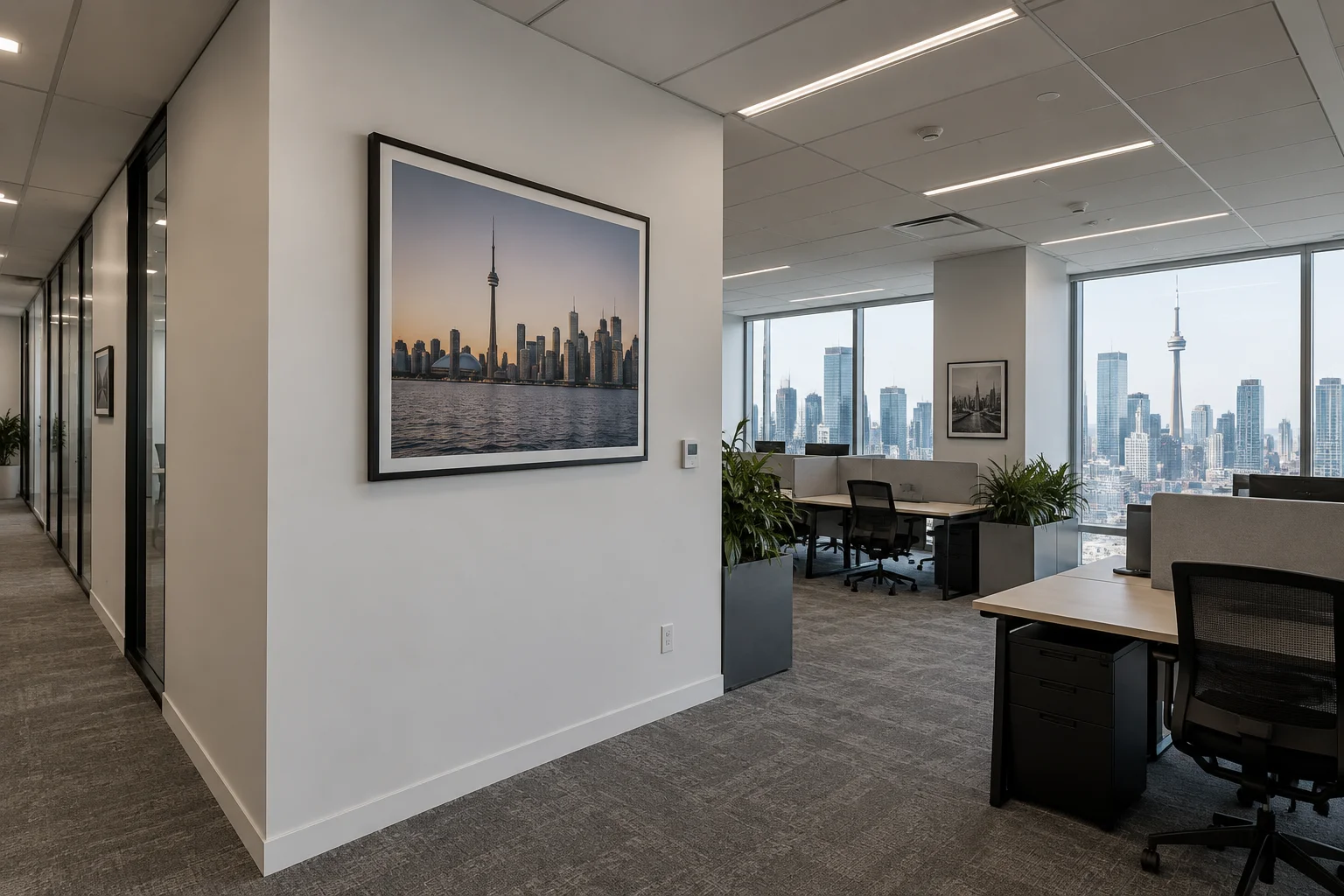
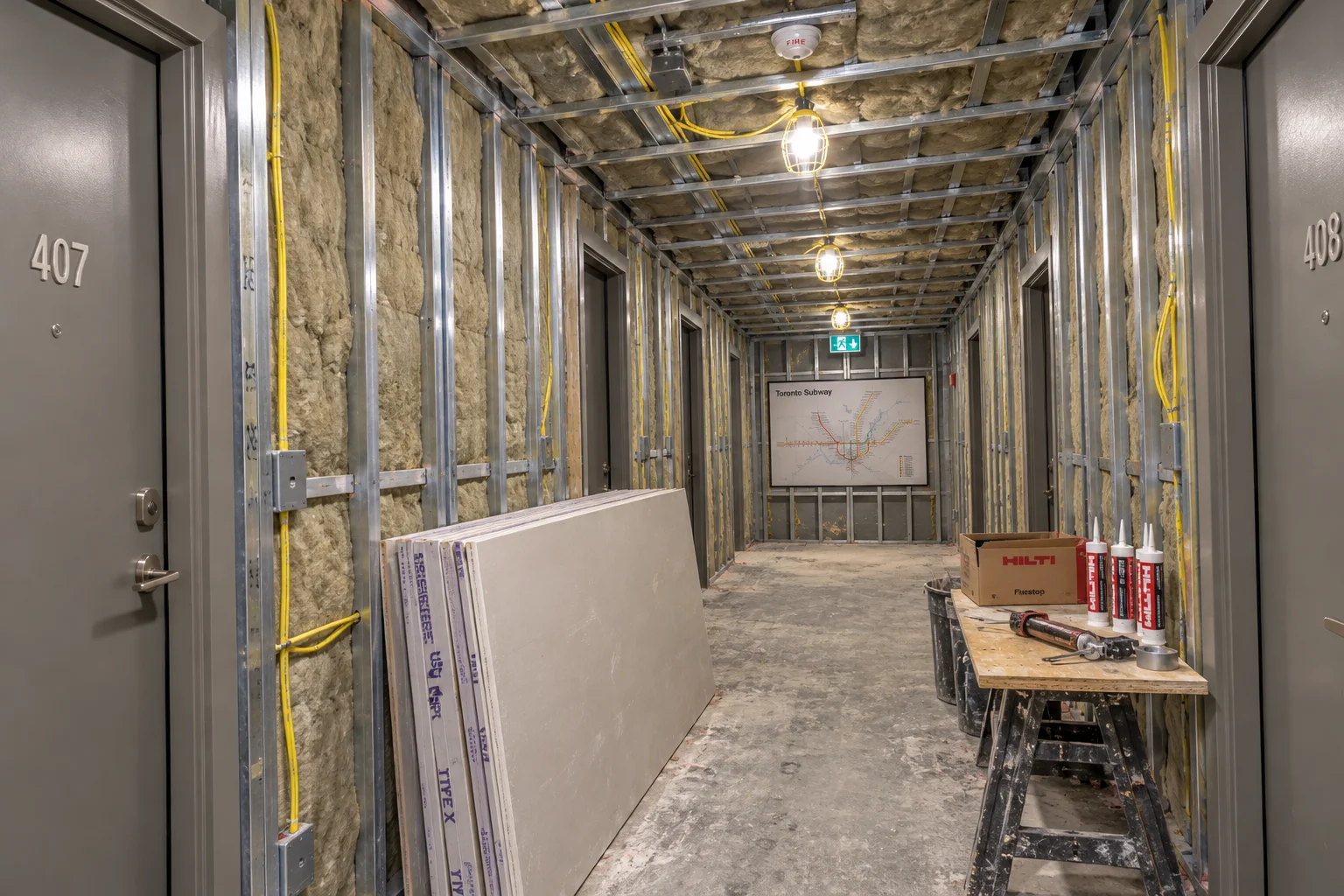
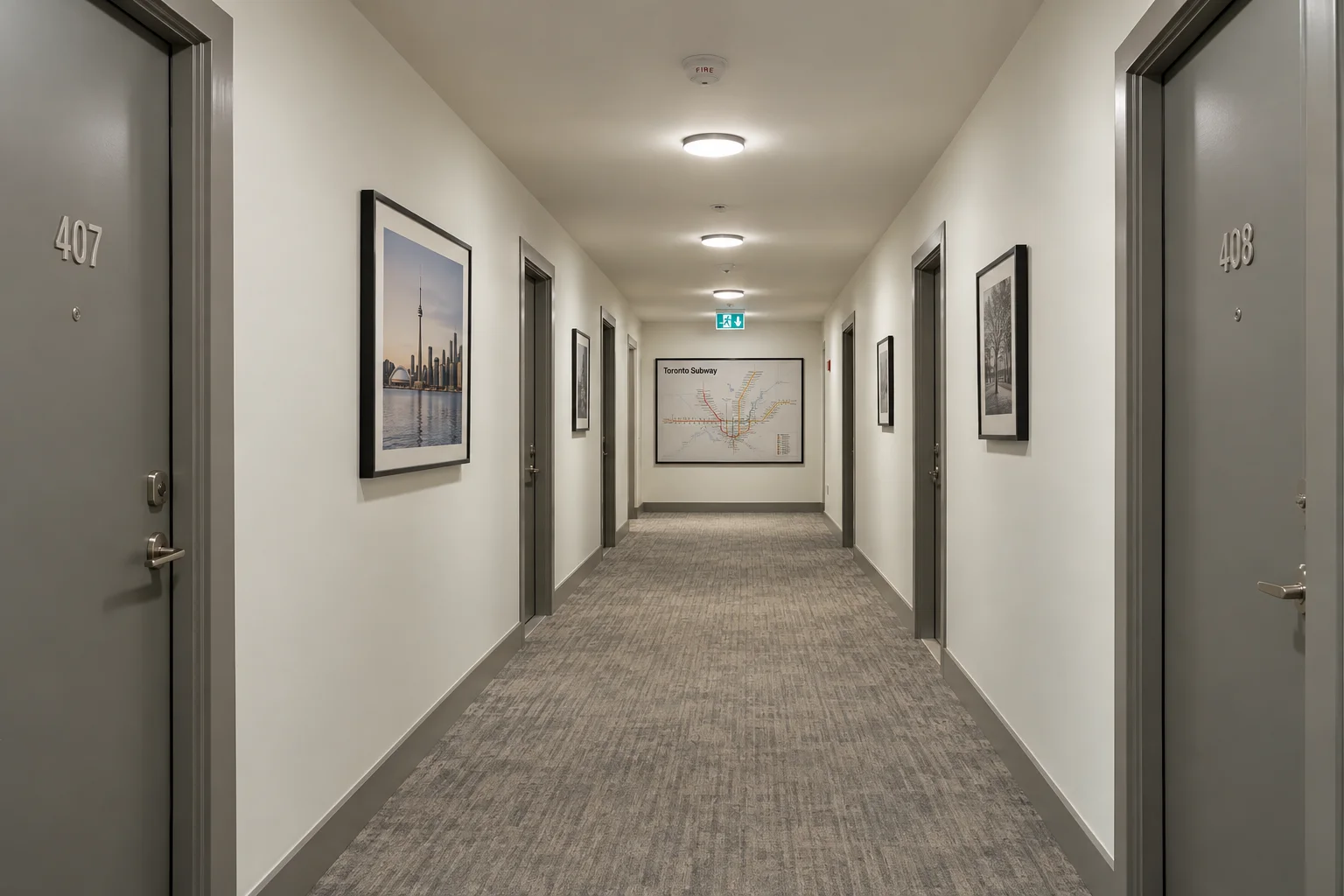
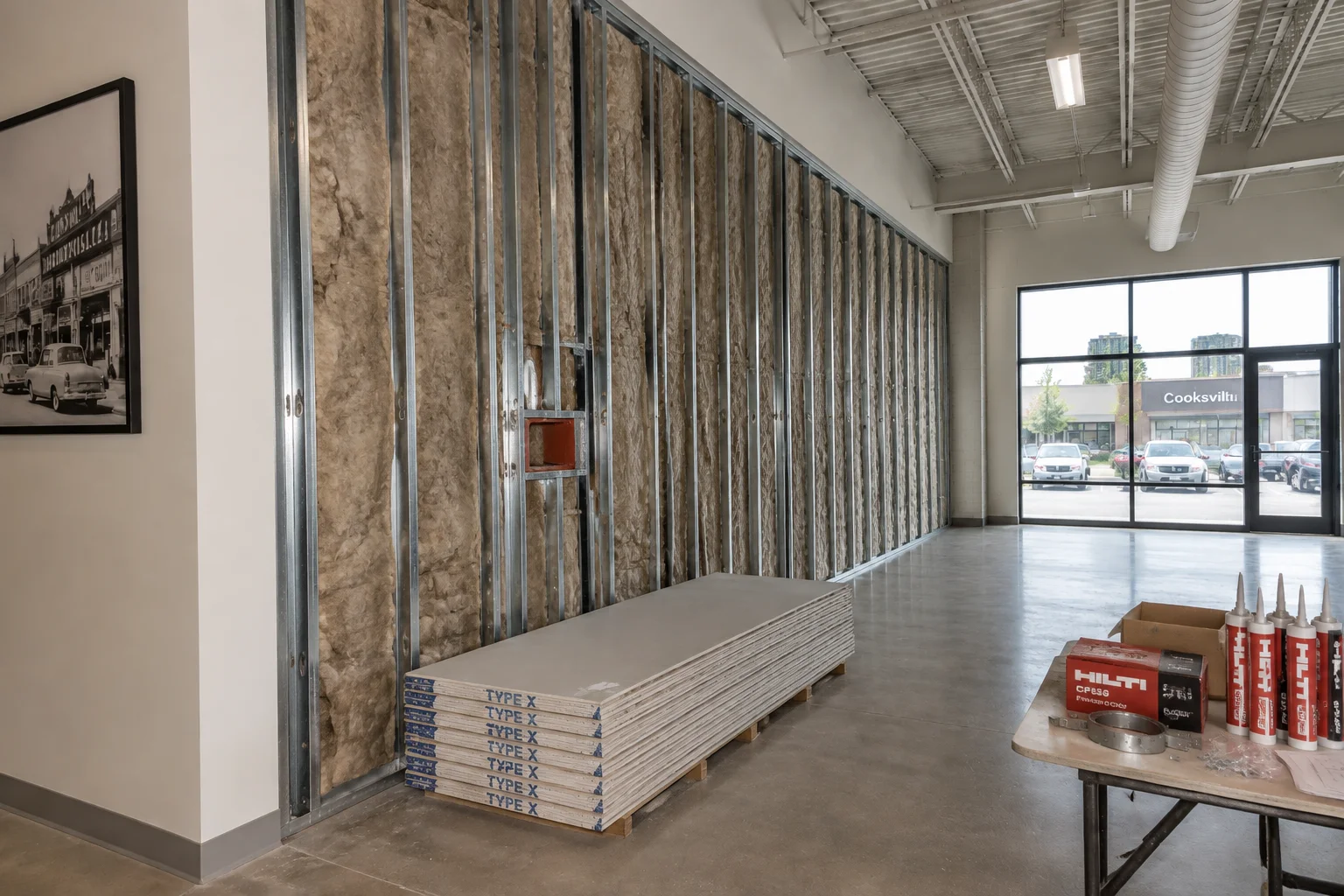
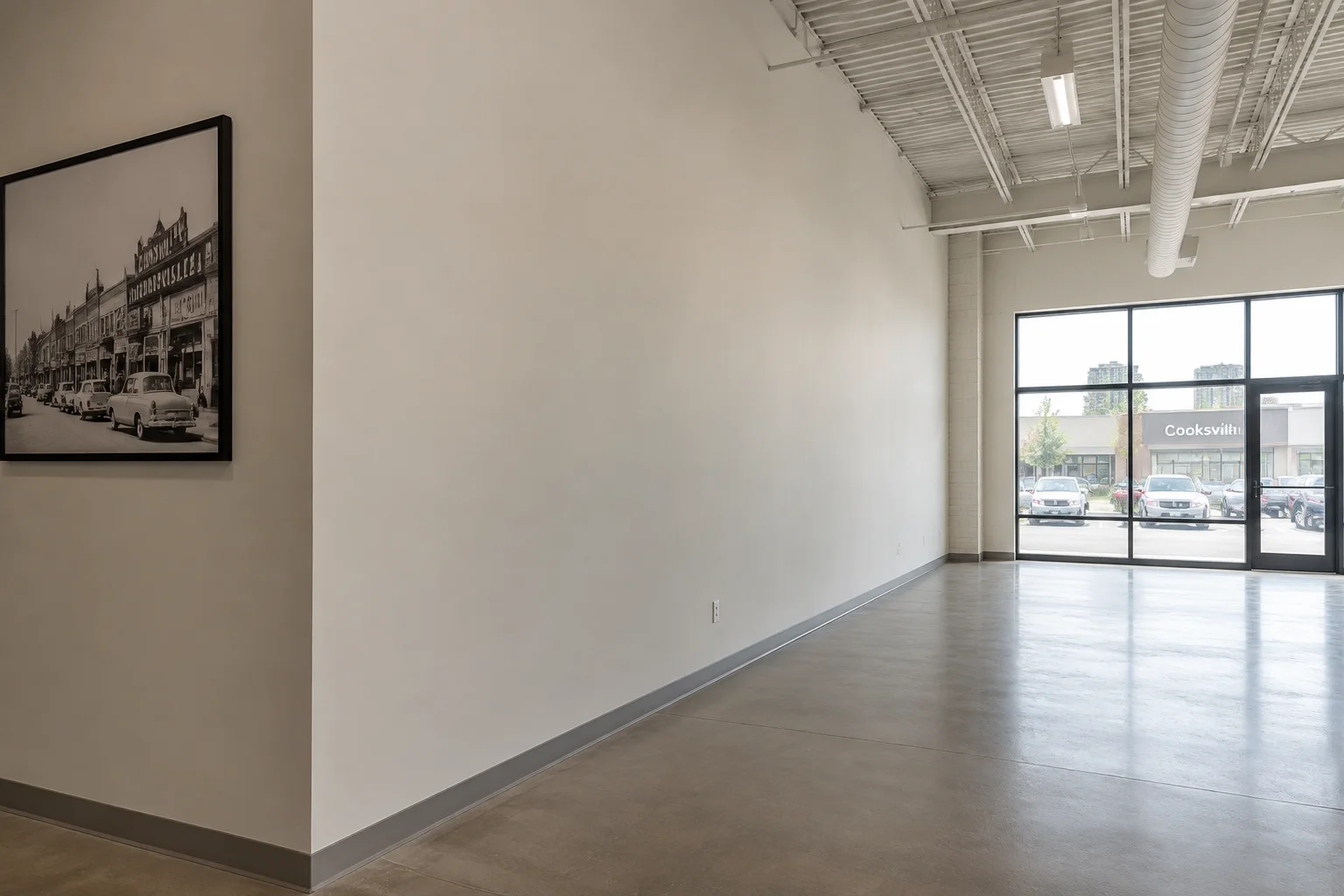
Type X Gypsum Board Assemblies, Installed to Spec
Toronto Drywall Pro is a licensed, bonded, and insured drywall contractor based in Toronto, Ontario, installing fire-rated gypsum board assemblies across the Greater Toronto Area since 2002. Our single in-house crew has completed more than 2,000 residential, condo, and commercial projects, and fire separations for garages, legal basement suites, party walls, and commercial demising walls are a core part of that work.
The Ontario Building Code (the 2024 edition, in force since January 2025) requires 5/8-inch Type X fire-rated drywall in specific locations. The most common ones in residential work are house-to-garage walls and ceilings, furnace rooms, multi-unit party walls, basement-stair separations where a finished basement is below a living floor, and any commercial assembly involving corridors or shaft walls.
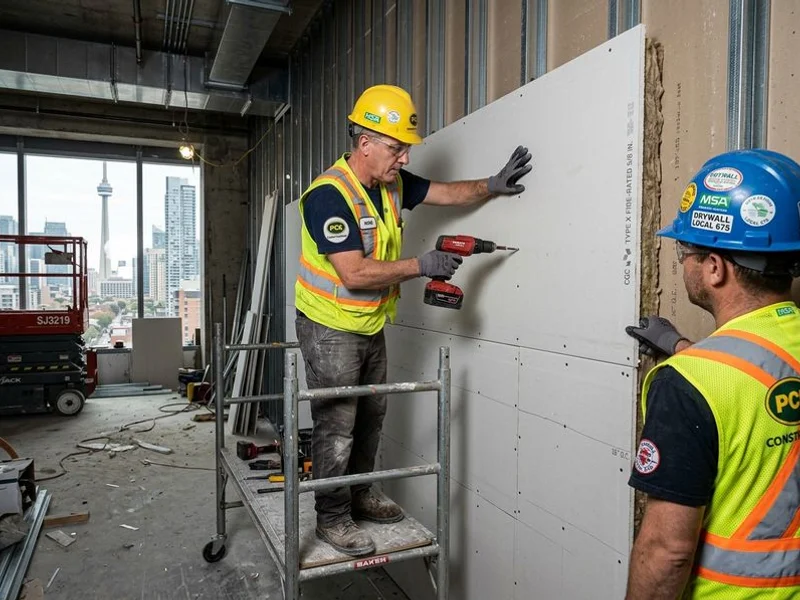
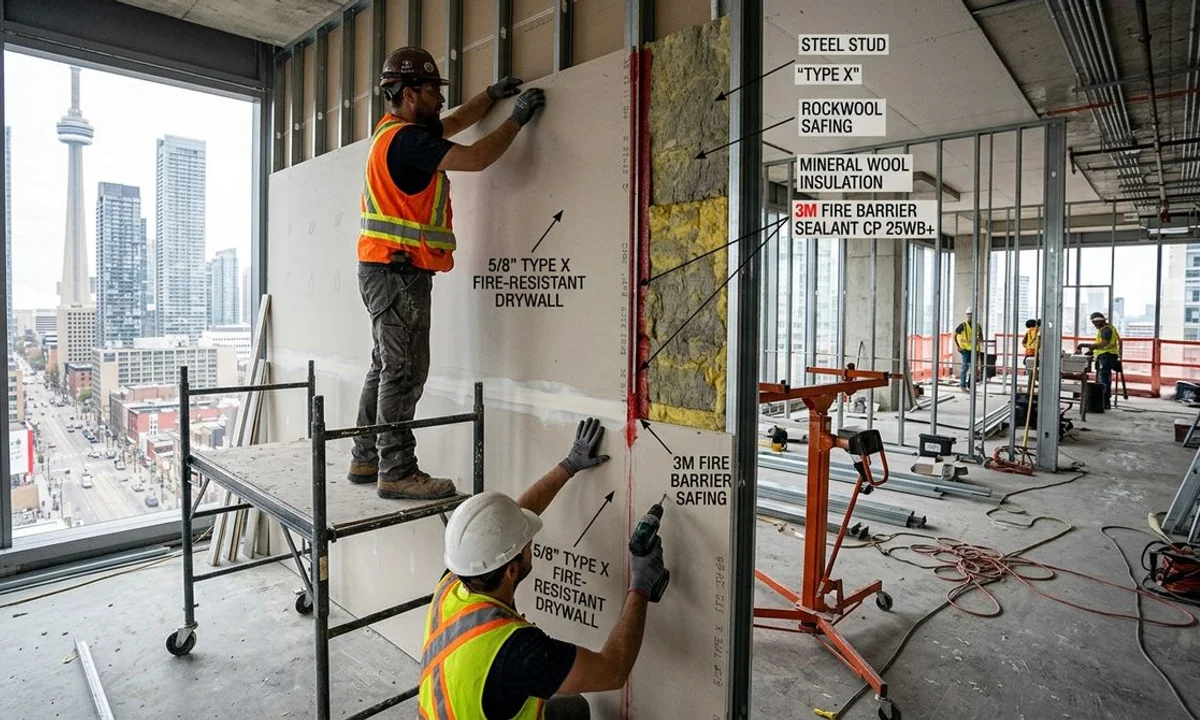
Type X looks like standard drywall but contains glass fibres and other additives that hold the panel together during fire exposure. Type C goes a step further: extra glass fibres plus vermiculite let the core expand under heat instead of shrinking, so it is the board most ULC listings call for on rated ceilings and high-performance multi-layer assemblies. Each assembly carries a fire-resistance rating measured in hours. When properly installed (right panel, right framing, right screw spacing, firestop at penetrations) a 1-hour rated wall will hold back fire for at least 60 minutes. A 2-hour wall, for 120 minutes.
What Fire-Resistant Drywall Costs in Toronto (2026 Pricing)
- Single-layer Type X installation (per square foot, installed and finished): $3 to $6
- Multi-layer Type X assembly (2-hour rating): $6 to $11 per square foot
- Garage-to-house wall fire separation (typical): $1,500 to $3,500 per garage
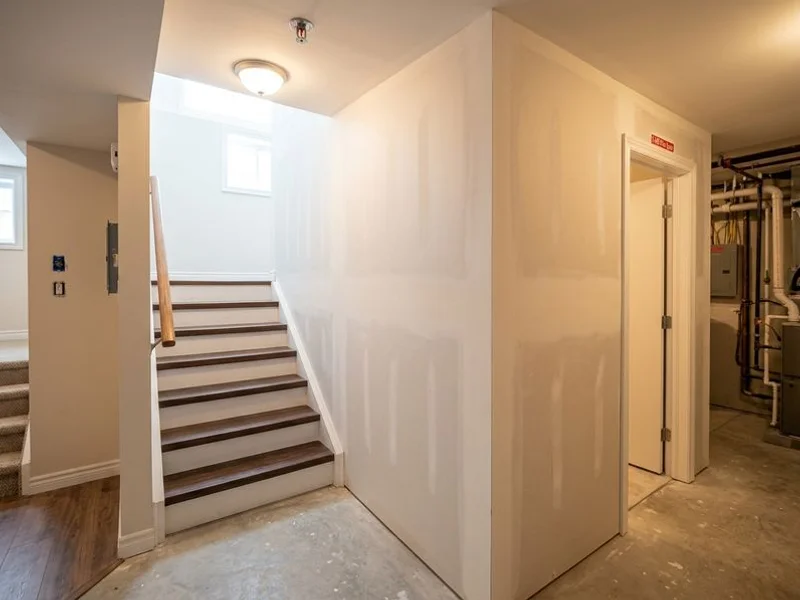
- Basement-stair fire separation: $800 to $1,800 typical
- Commercial demising wall (Type X, single-layer): $4 to $8 per square foot
- Shaft-wall system (elevator/mechanical chases): Quoted per project from drawings
- Firestop documentation and ULC-listed assembly reference: Included with every fire-rated quote
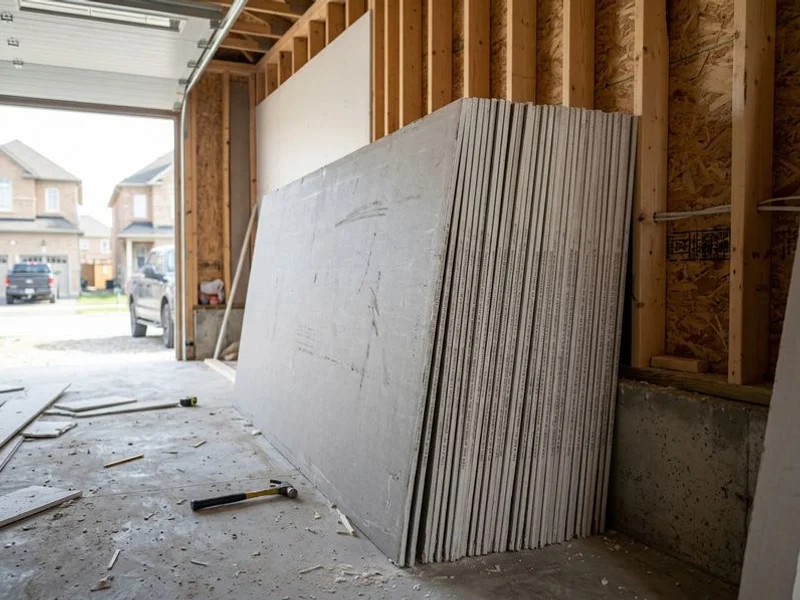
Most legal-suite basement Type X requirements in Peel Region run $2,000 to $4,500 all-in. Pricing includes the building materials: ASTM C1396 Type X or Type C board in 4x8 or 4x12-foot sheets (a 5/8-inch 4x8 sheet weighs roughly 70 to 80 pounds), steel studs and track, Type S screws at the listed length, and joint tape and compound for every seam.
Where Does Ontario Code Require Type X in a Home?
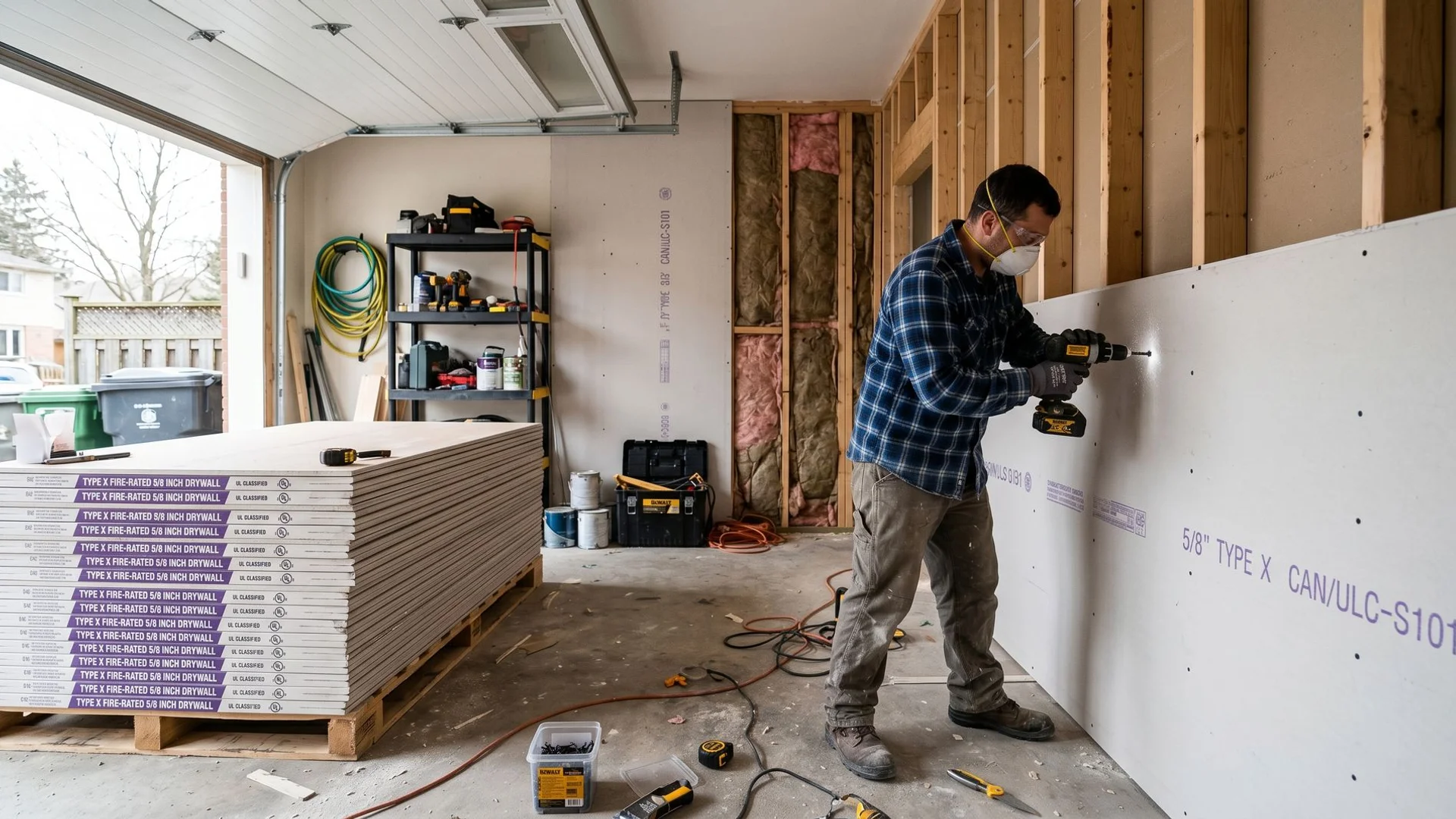
Attached-garage walls and ceilings. Every garage that shares a wall with a living space needs Type X on the living-space side. The ceiling between an attached garage and a room above also needs Type X. This is one of our highest-volume fire-rated jobs because it shows up on virtually every attached-garage detached and semi-detached home built across Vaughan, Brampton, and Mississauga subdivisions.
Furnace rooms in newer construction with separate mechanical rooms.
Basement-stair separations where the basement is finished and living above is occupied. This is the catch most basement-finishing homeowners don’t know about until inspection.
Party walls between dwelling units for any duplex, triplex, semi-detached, or townhouse construction, including the older semis and row houses in the east end and Scarborough that get converted to two units.
Secondary suites in detached houses and bungalows, where the ceiling and walls between the suite and the main dwelling need a fire separation before Toronto Building or the Peel Region permit office signs off.
Multi-unit demising walls required across condo and apartment construction, typically as part of a 1-hour or 2-hour rated assembly.
Fire-Rated Walls for Offices, Retail, and Multi-Unit Buildings
For commercial scope we install Type X for:
- Demising walls between commercial suites in office and retail fit-outs
- Corridor walls in commercial buildings (typically 1-hour rated)
- Shaft walls around elevator and mechanical chases
- Multi-layer assemblies for 2-hour ratings in larger commercial buildings
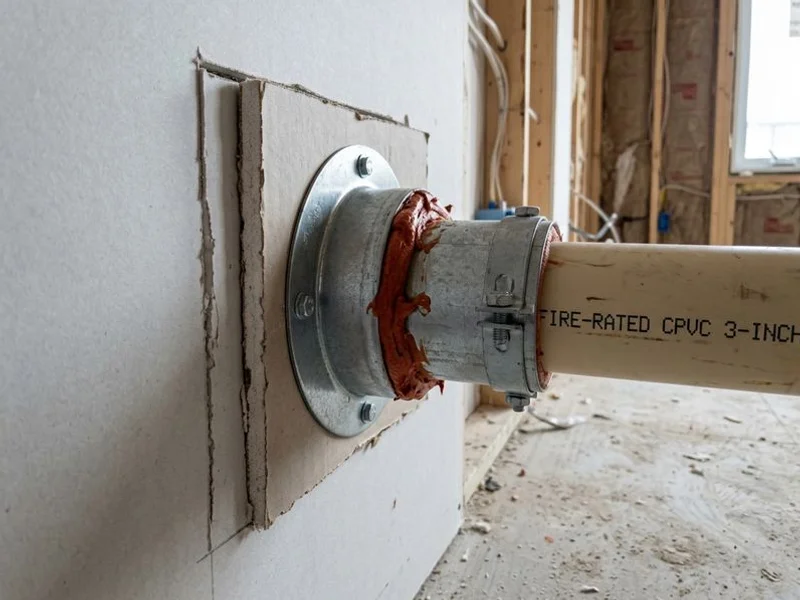
Firestop is part of the rated system, not an add-on. Every electrical box, pipe, duct, and cable bundle that passes through a Type X wall is a weak point until it is sealed with a listed firestop product, so we coordinate with firestop subcontractors on penetration sealing at electrical, plumbing, and HVAC chases, and we document the work for the building official’s inspection.
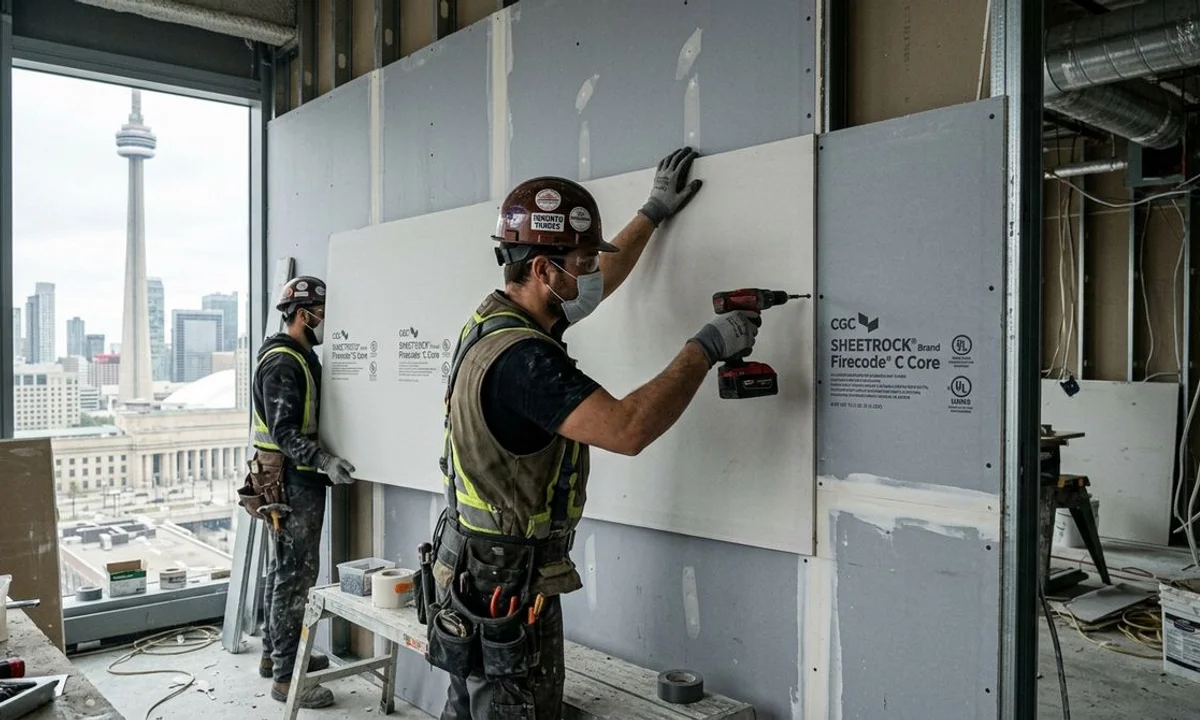
Passing Your Fire Separation Inspection the First Time
Every fire-rated assembly Toronto Drywall Pro installs comes with:
- Reference to the specific ULC-listed assembly we used (assembly number, source document)
- Panel layout matching the spec (panel orientation, joint location)
- Screw spacing per spec (typically 8” on edges, 12” in field, but varies by assembly)
- Firestop documentation at all penetrations
- Photo record for the project file
This documentation is what builders and developers need to satisfy the inspection, and it’s what protects the homeowner long-term in any insurance claim involving fire.
How We Compare
| Feature | Typical Provider | Toronto Drywall Pro |
|---|---|---|
| Specialization | General renovator who subs out drywall | Drywall-only specialist since 2002 |
| Board selection | Standard 1/2-inch board where Type X is required | 5/8-inch Type X or Type C as the ULC listing specifies |
| Assembly documentation | No assembly number on file | ULC assembly reference, firestop records, and photo log with every job |
| Scope handling | Framing, boarding, and taping split across subtrades | One in-house crew from steel stud to finished joint |
| Coverage | Uninsured or unverified crews | Licensed, bonded, insured, and WSIB-compliant |
Fire Separation Work Across Toronto and the GTA
Across the Greater Toronto Area for residential and commercial scope. High-volume areas include Brampton basement legal suites, Mississauga and Vaughan attached-garage code work, and downtown Toronto commercial fit-outs. We also build party walls and suite separations in Scarborough, North York, and Etobicoke, and garage separations in Markham and Oakville. If you need a fire separation contractor near you, one call to 647-933-7780 books a free on-site estimate with a code requirement review.
What Is Fire-Resistant Drywall?
Fire-resistant drywall refers to 5/8-inch Type X or Type C gypsum panels that are manufactured with glass fibre reinforcement and a denser core formulation to slow the spread of fire through a wall or ceiling assembly. Ontario Building Code Part 9 (residential) and Part 3 (commercial) specify where fire-rated assemblies are required: garage-to-house walls, furnace room enclosures, party walls in semi-detached and townhouse construction, stairwell separations, and commercial corridor walls. The fire rating is not just the panel but the entire assembly: the panel type, fastener pattern, framing gauge, and whether joint compound covers all screws. ULC-listed assembly documentation is required for commercial projects and many residential permit inspections.
What Does Fire-Resistant Drywall Installation Include?
- 5/8-inch Type X or Type C gypsum panel specification per OBC or ULC assembly requirements
- Framing inspection and blocking installation before hang begins
- Panel hang with correct fastener spacing and pattern per ASTM C840 and assembly spec
- All screw dimples and joints covered with compound to maintain fire-rating integrity
- Inside and outside corner bead installed and mudded to complete the assembly
- Inspection-ready documentation package and coordination with building official
How Much Does Fire-Resistant Drywall Cost in Toronto?
Fire-resistant drywall installation in Toronto runs $3 to $6 per square foot installed and finished for single-layer Type X assemblies. A garage-to-house fire separation (typically 200 to 400 sq ft) runs $1,500 to $3,500 all-in. Multi-layer 2-hour commercial assemblies run $6 to $11 per square foot. Full permit coordination is included in commercial projects. Free on-site estimate with code requirement review.
Who Needs Fire-Resistant Drywall Installation?
Homeowners adding a garage-to-house fire separation to meet Ontario Building Code requirements. Landlords finishing a basement secondary suite where OBC requires a fire-rated ceiling separation. Builders installing party walls in multi-unit residential projects. Commercial contractors fitting out spaces where Type X is specified by the engineer of record.