Hole Repair That Disappears
A drywall hole looks permanent. It is not. The correct patch method for the hole size, followed by proper texture matching and priming, produces a repair that is invisible under normal room lighting and paint.
The most common hole repairs we handle in Toronto are doorknob holes in rental units, anchor pull-outs in remodeled rooms, and access holes left over from plumbing or cable work. Each requires a slightly different approach - but all of them end the same way: paint-ready, invisible, done.
Drywall Hole Repair Pricing in Toronto
- Doorknob hole or anchor pull-out: $150 to $200
- Medium holes (4 to 8 inch): $200 to $350
- Large holes from plumbing or cable access: $300 to $450
- Multiple holes in same visit: discounted rate on request
What Is Drywall Hole Repair?
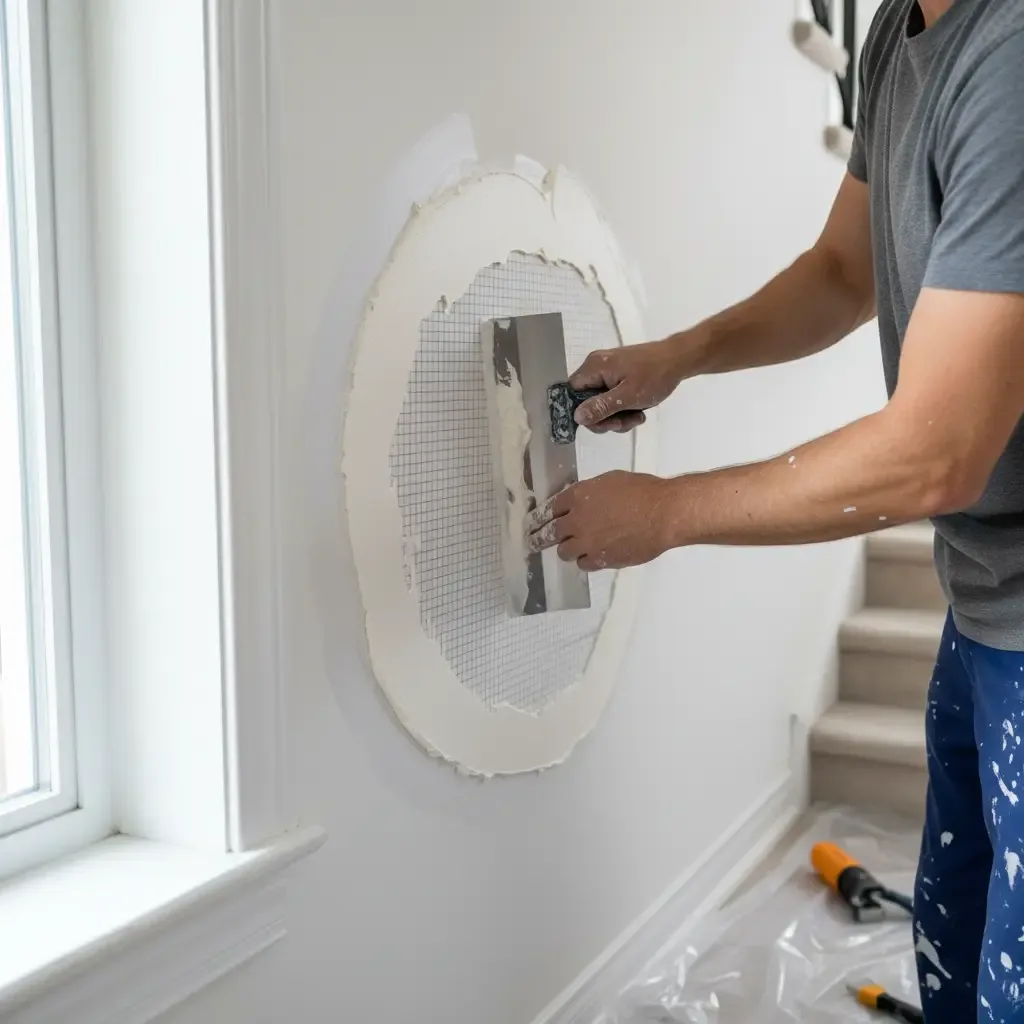
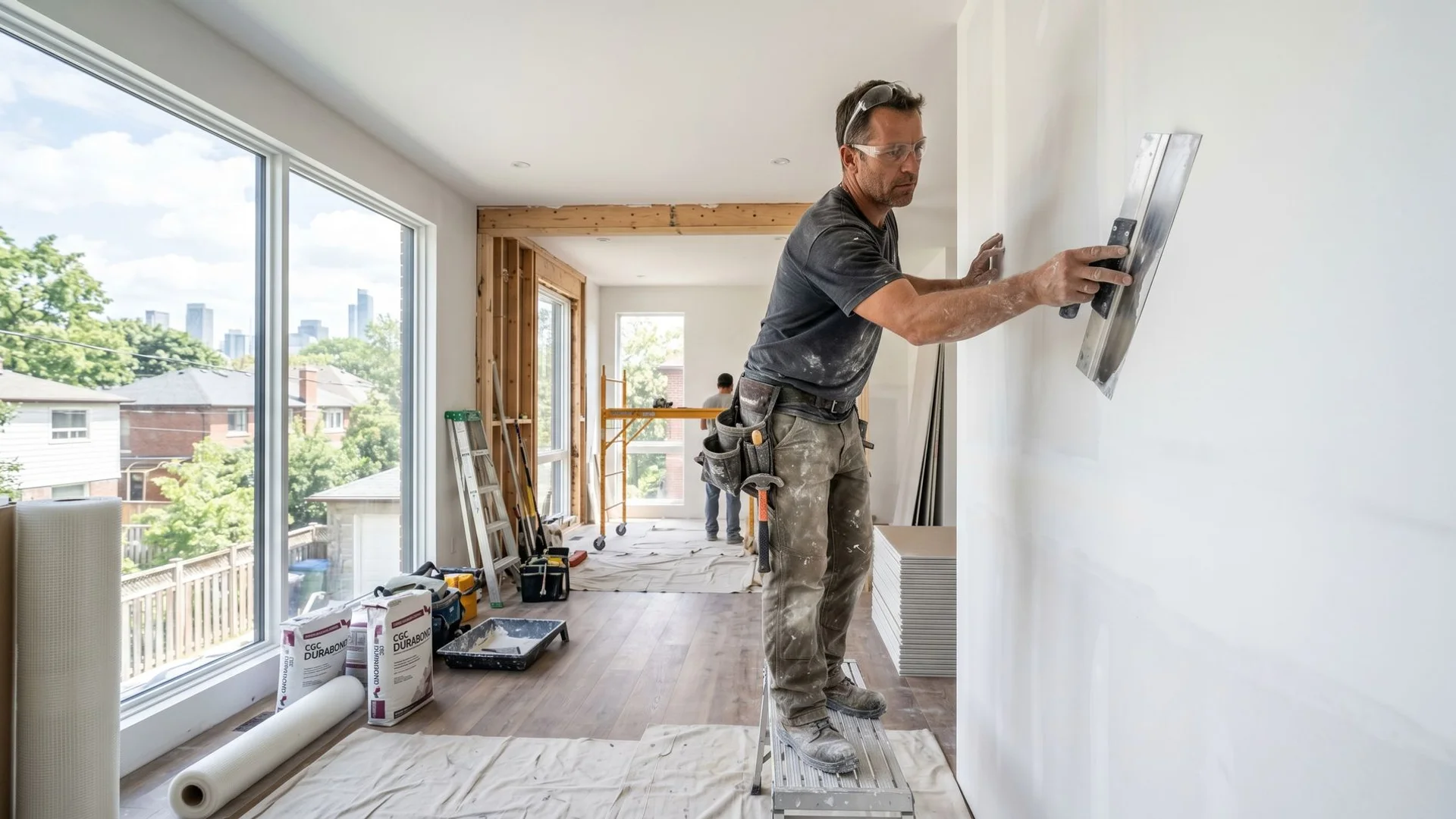
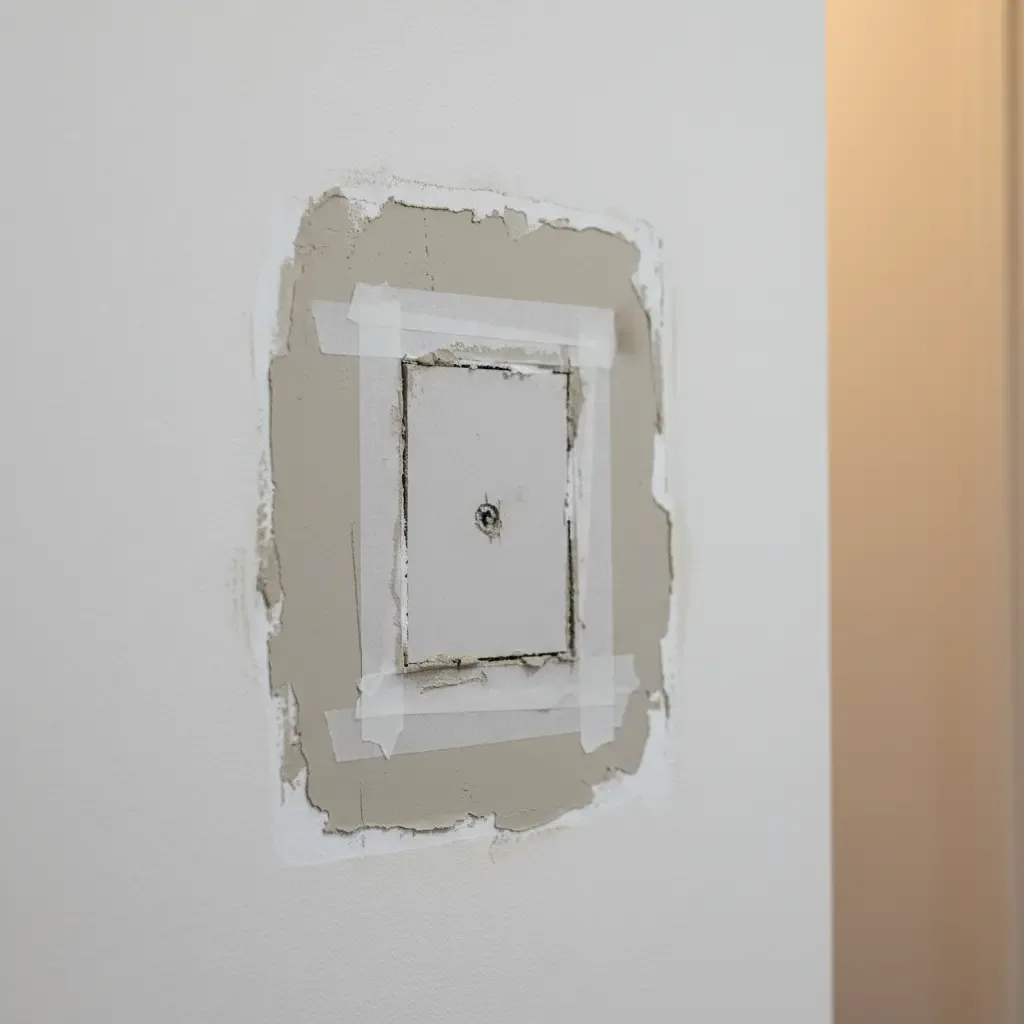
Drywall hole repair - also called patch repair, hole patching, or punch-out repair - is the process of filling and refinishing a hole in gypsum drywall so the surface is flat, stable, and paint-ready. The correct method depends on hole size: self-adhesive fibreglass mesh kits for holes up to 6 inches, and a backer board or California patch for larger openings. Both methods use USG Durabond 45 setting compound as the structural base layer, followed by two all-purpose finish coats sanded smooth.
What Does Drywall Hole Repair Include?
- Hole assessment and method selection (mesh patch vs. backer board)
- Trimming ragged hole edges square for a clean repair base
- Backer board or California patch installation for holes over 6 inches
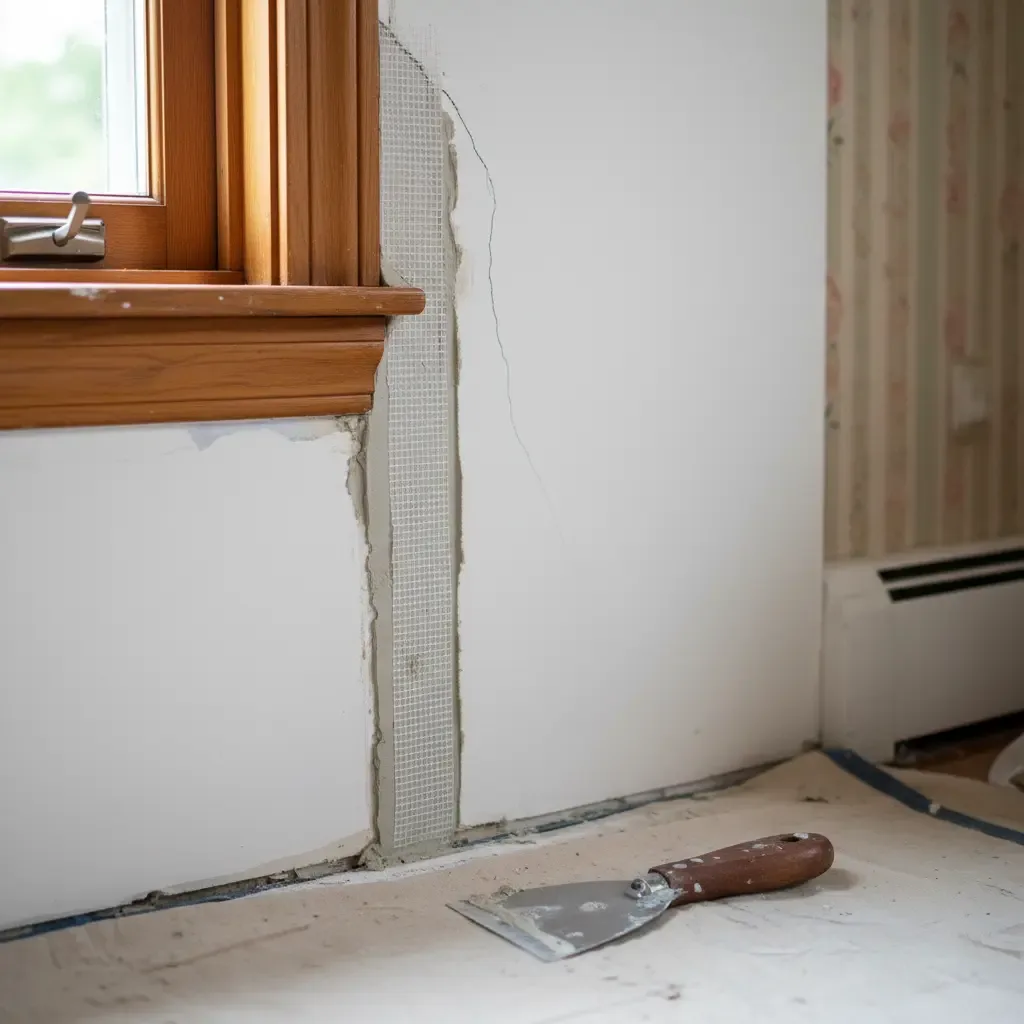
- Self-adhesive fibreglass mesh for holes under 6 inches
- USG Durabond 45 first coat for structural bridging
- Two all-purpose finish coats feathered and sanded
- Texture match to existing wall (orange peel, knockdown, skip trowel, or smooth)
- Primer coat before paint handoff
How Much Does Drywall Hole Repair Cost in Toronto?
Doorknob holes and anchor pull-outs run $150 to $200. Medium holes (4 to 8 inches) run $200 to $350. Large holes from plumbing or cable access run $300 to $450. Multiple holes in the same visit are discounted. Free on-site estimates with same-day quoting available across the GTA.
Who Needs Drywall Hole Repair?
Property managers handling tenant turnover repairs. Homeowners who have been looking at a doorknob hole for six months. Sellers prepping a property before listing. Anyone who has had plumbing or cable work done and was left with an access hole. Renovation contractors needing a drywall finisher to close out rough-in openings.
Every Type of Hole We Fix
Doorknob impacts (under 3 inches). The most common drywall hole in any Toronto home. We use a California patch - a piece of drywall with the paper face intact on two sides to span the hole - set in compound, taped, and feathered wide.
Plumbing and electrical access cuts (4 to 24 inches). Access panels cut for plumbing rough-in, electrical panel upgrades, or pipe leak investigations. We frame a backer if needed, install a flush patch, tape all seams, and finish to match the surrounding wall.
Large structural openings (over 24 inches). Full-section replacements cut back to stud centres. We hang a new panel, tape all edges, and three-coat finish. These require adequate drying time between coats - a rushed large patch will show the seams.
Accidental impact damage. Moving furniture, renovation accidents, and general wear on rental properties all create holes that need invisible repair. We match the finish level on the surrounding wall - Level 4 in most cases, or texture-matched if the wall has knockdown or orange peel.
Inspection openings in finished walls. Home inspectors, plumbers, and electricians sometimes need to open walls for investigation. We close out these openings cleanly with backer, patch, and a finish that won’t show the repair at 3 feet in normal lighting.
The Invisible Repair Standard
The goal of a drywall hole repair isn’t just structural closure - it’s invisibility under paint. The reason most DIY patches are visible after painting isn’t the patch itself; it’s the feathering. A patch that’s mudded only to the edge of the hole sits proud of the surrounding surface. When paint flattens the sheen, the ridge telegraphs as a slight bump or shadow.
The fix is to extend the compound transition 8 to 12 inches past the patch on all sides, sanding progressively finer through the transition zone. Under raking light from a window or lamp, a properly feathered repair blends into the surrounding plane completely. We check every patch under raking light before calling it done, and we won’t leave a repair that reads under a standard table lamp at 3 feet.
When a Patch Won’t Cut It
Holes that are accompanied by framing damage, rot, or mold behind the panel need more than a surface patch. If water infiltration caused the hole - or if the panel around the hole is saturated - the wet drywall needs to come out completely, not just the visible damaged area. Patching over a damp or soft panel gives a repair that looks fine and fails within a year.
We probe every hole repair during the estimate: tap the surrounding panel to check for hollow spots, check for soft edges that indicate moisture saturation, and shine a light through the opening to check the cavity. If we find wet framing or mold behind the panel, we scope it accurately - the repair cost goes up, but the alternative is a repeat call.
Where We Work
Toronto drywall hole repair across the city, with frequent turnover calls from Scarborough, North York, and Etobicoke rental buildings. We serve all GTA communities.